
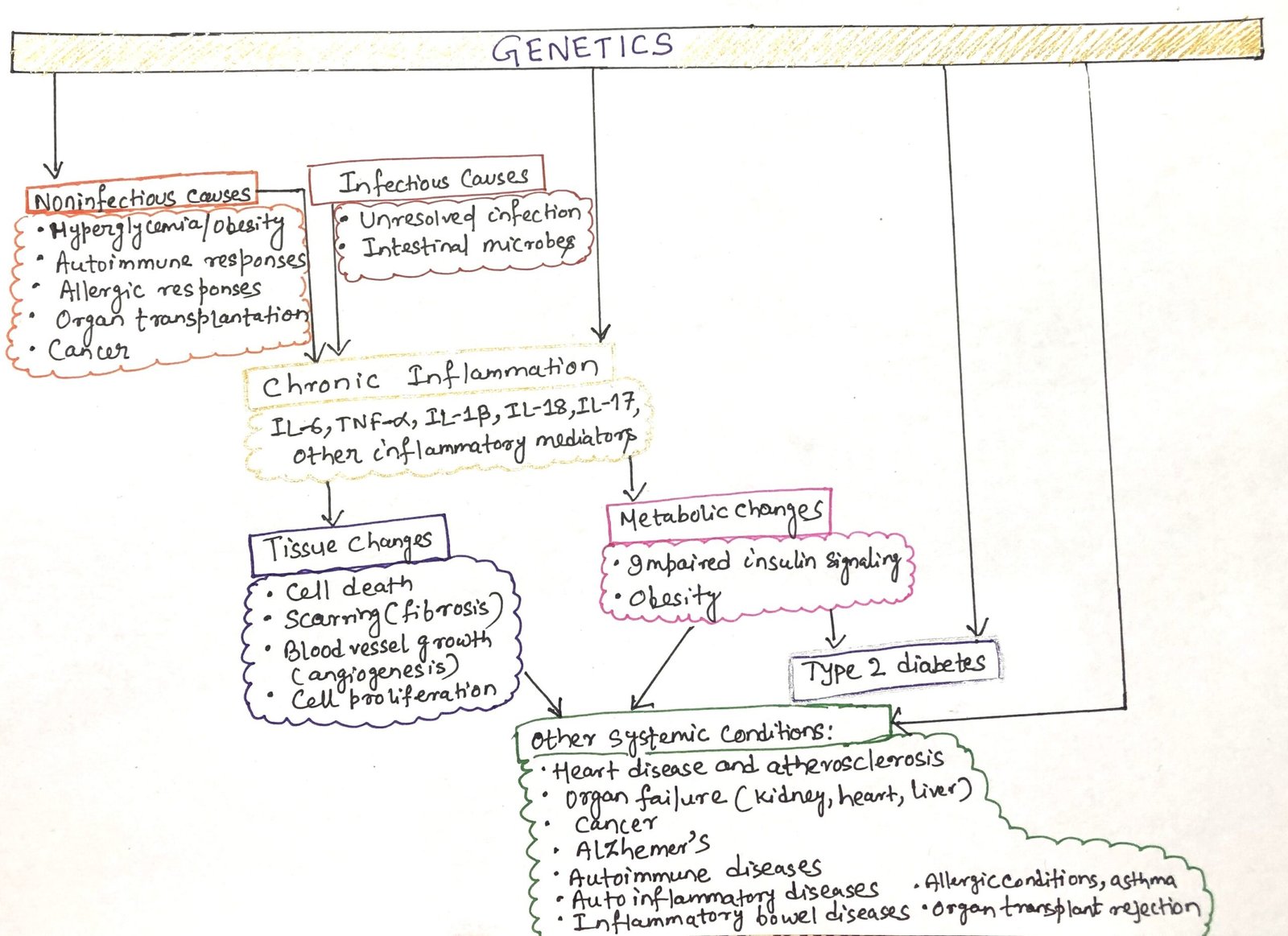
This article describes the causes and systemic effects of chronic inflammation. Inflammation is an essential protective response that helps the body fight harmful agents and repair damaged tissues. However, when inflammatory activity persists, it can disturb normal cellular functions and contribute to tissue injury. Persistent infections, obesity, and other non-infectious conditions may promote chronic inflammation, which is associated with disorders such as type 2 diabetes and other systemic diseases.
The Development of Chronic Inflammation
Inflammation is an important component of the immune response that helps the body respond to infections, allergens, and other harmful stimuli. When the inflammatory response becomes widespread, the release of mediators by innate immune cells can produce symptoms such as fever, fatigue, and muscle aches. These effects generally resolve once the underlying stimulus is eliminated. However, when an inflammatory trigger persists, the response may continue for a prolonged period and develop into chronic inflammation. This persistent state involves sustained activation of inflammatory pathways and increased production of inflammatory cytokines, which can affect tissues throughout the body and contribute to systemic disease.
Infections cause chronic inflammation
Persistent infections can contribute to chronic inflammation when microorganisms remain in the body and continue to stimulate the immune system (Figure 1). Conditions such as periodontal disease and poorly healed wounds can provide sites where microbes persist, leading to repeated immune activation. Microorganisms present in the gastrointestinal tract may also influence chronic inflammation. Normally, the resident gut microbiota helps regulate immune responses to microorganisms entering the digestive system. However, disruption of this microbial balance, including changes associated with antibiotic exposure, may interfere with normal immune regulation and contribute to inflammatory disorders of the intestine.
Certain pathogens are particularly difficult for the immune system to eliminate and may therefore maintain a prolonged, low-level inflammatory response. Some fungal organisms and mycobacteria can persist within the body despite immune activity, resulting in continued stimulation of immune cells. These cells may release inflammatory cytokines and other mediators over an extended period, allowing inflammation to persist and potentially contribute to chronic inflammatory disease (Figure 1).
Non-Infectious Triggers of Chronic Inflammation
Chronic inflammation can also develop in the absence of an ongoing infection. Persistent tissue injury can release endogenous molecules known as damage-associated molecular patterns (DAMPs), which are recognized by the innate immune system and trigger the production of inflammatory cytokines and other mediators. If the underlying tissue damage continues or fails to resolve, these signals can maintain immune activation and prevent inflammation from returning to its normal resting state.
Several chronic disorders are associated with this type of prolonged inflammatory response. Tumors, autoimmune diseases, atherosclerosis, cardiovascular conditions, and neurodegenerative disorders such as Alzheimer’s disease can involve sustained tissue injury and activation of both innate and adaptive immune pathways (Figure 1). Continued immune stimulation in these conditions may contribute to the persistence and progression of chronic inflammation.
Obesity and chronic inflammation
Obesity is strongly associated with metabolic abnormalities and systemic disorders, including type 2 diabetes. Adipose tissue is not simply an energy-storage site but also acts as an active endocrine and immune-regulating tissue. In particular, visceral adipocytes surrounding internal organs can release hormones such as leptin as well as several pro-inflammatory mediators, including tumour necrosis factor-alpha (TNF-α) and interleukin-6 (IL-6). These inflammatory signals can also promote the recruitment of macrophages into adipose tissue, further contributing to local and systemic inflammation.
Excessive lipid accumulation within adipocytes can produce cellular stress and activate pathways that increase the production of inflammatory cytokines and other mediators. Elevated levels of free fatty acids associated with obesity may also contribute to this process by interacting with Toll-like receptors (TLRs) on adipocytes and activating signaling pathways similar to those triggered during microbial recognition. Consequently, obesity contributes significantly to chronic low-grade inflammation. However, the inflammatory and metabolic effects of obesity can vary among individuals, and not everyone with obesity develops the same degree of metabolic dysfunction or inflammatory activity.
Chronic Inflammation Can Cause Systemic Disease
The specific consequences of chronic inflammation vary with the tissue of origin as well as the sex, age, and health status of the individual. However, given that those who suffer from chronic inflammation all exhibit increased circulation of inflammatory mediators, including the classical pro-inflammatory cytokines trio (IL-1, IL-6, and TNF-α), it is not surprising that many also suffer from similar systemic disorders.
Chronic Inflammation and Type 2 Diabetes
Type 2 diabetes is an important metabolic disorder associated with chronic low-grade inflammation. It develops when cells become less responsive to insulin, a condition known as insulin resistance, which disrupts the normal regulation of blood glucose. In contrast, type 1 diabetes primarily results from an autoimmune response that destroys insulin-producing pancreatic cells. Although the underlying mechanisms differ, inflammatory processes have an important role in the development and progression of metabolic dysfunction, particularly in type 2 diabetes.
Pro-inflammatory cytokines such as TNF-α and IL-6 can interfere with normal insulin signalling by activating intracellular pathways that suppress signals downstream of the insulin receptor. One important pathway involves c-Jun N-terminal kinase (JNK), a mitogen-activated protein kinase associated with cellular stress and inflammatory responses. Activation of JNK can alter insulin receptor substrate-1 (IRS-1), an important component of the insulin-signalling pathway, thereby reducing the cellular response to insulin.
Inflammation in adipose tissue partly explains the relationship between obesity and type 2 diabetes.. Excess lipid accumulation can stimulate visceral adipocytes and associated immune cells to produce inflammatory cytokines. These mediators can impair insulin signaling and promote insulin resistance, thereby contributing to the development of type 2 diabetes. This provides an important link between obesity, chronic inflammation, and metabolic disease.
Tissue Damage and Disease Progression During Chronic Inflammation
Inflammatory cytokines regulate several processes involved in tissue repair and immune defence. They can increase blood flow, promote the formation of new blood vessels, and stimulate the growth and activation of fibroblasts and immune cells. They also influence the removal of infected or damaged cells. Together, these responses help reorganize injured tissues, improve immune-cell access to harmful agents, and support wound healing.
Although these mechanisms are beneficial during short-term inflammation, their prolonged activation can produce harmful effects. Excessive fibroblast activity may result in the accumulation of scar tissue, a process known as fibrosis, which can interfere with normal organ function. Persistent stimulation of cell proliferation may also increase the likelihood of genetic alterations and contribute to tumor development or progression. In addition, increased blood-vessel formation can supply solid tumors with nutrients and oxygen, supporting the survival and growth of malignant cells.
Conclusion
Chronic inflammation develops when inflammatory activity continues for an extended period because of persistent infections, tissue damage, obesity, or other underlying conditions. Although inflammation is essential for immune defense and tissue repair, its prolonged activation can disrupt normal cellular functions and damage healthy tissues. Persistent inflammatory signaling may contribute to metabolic disorders such as type 2 diabetes, excessive tissue scarring, impaired organ function, and tumor progression. Understanding the causes and effects of chronic inflammation is therefore important for explaining its role in the development of systemic diseases and identifying possible approaches for preventing inflammation-related tissue damage.
You may also like:
- Positive and negative regulations of innate and inflammatory responses and their effects
- Infectious and non-infectious causes of chronic inflammation

I, Swagatika Sahu (author of this website), have done my master’s in Biotechnology. I have around fourteen years of experience in writing and believe that writing is a great way to share knowledge. I hope the articles on the website will help users in enhancing their intellect in Biotechnology.