Normal Flora of the Intestinal Tract

The occurrence and localization of normal microbial flora

In this article, I briefly describe the normal flora of the intestinal tract. It explains how the intestinal flora develops, changes, and functions throughout life. Various factors, including diet, stress, illness, and antibiotics, can alter this delicate balance. It also highlights the role of beneficial microbes and the potential health impacts of microbial by-products, emphasizing … Read more >>

Normal Flora of the Skin, Eye, and Respiratory Tract

In this article, I briefly describe the distribution of the normal flora in the skin, eye, and respiratory tract. Our body naturally harbors many microorganisms that live without causing harm. The skin, eyes, and respiratory tract each have their special environments where different types of normal flora thrive. Normal Flora The human body is home … Read more >>

Endotoxins and Associated Virulence Determinants in Bacterial Pathogenesis

Structure of endotoxin

In this article, I briefly describe endotoxins and associated virulence determinants in bacterial pathogenesis. Endotoxins and various bacterial virulence factors contribute to the development and severity of infectious diseases. This article highlights their mechanisms of action, effects on the host’s physiological systems, and their role in enhancing bacterial survival and pathogenicity. Endotoxin Endotoxins are lipopolysaccharide … Read more >>

Bacterial Exotoxins and Their Pathogenic Effects

In this article, I briefly describe some bacterial exotoxins and their pathogenic effects. Bacterial Exotoxins Some microorganisms produce poisonous substances called toxins, which play a key role in disease causation. The potency of these toxins can be measured in several ways, most commonly using LD₅₀ (lethal dose 50), the amount that kills 50% of test animals, … Read more >>

Archaebacteria and Their Unique Adaptations

Structure of Archaebacterium

In this article, I briefly describe archaebacteria and their unique adaptations. Archaebacteria are ancient microorganisms that thrive in extreme environments such as high heat, salinity, and acidity. They include methanogens, halophiles, and thermoacidophiles, each adapted with unique metabolic and structural features for survival. Their remarkable enzymes and resilience make them vital to understanding early life … Read more >>

The Importance of Aquatic Microbial Ecosystems

detritus-consuming omnivorous organisms

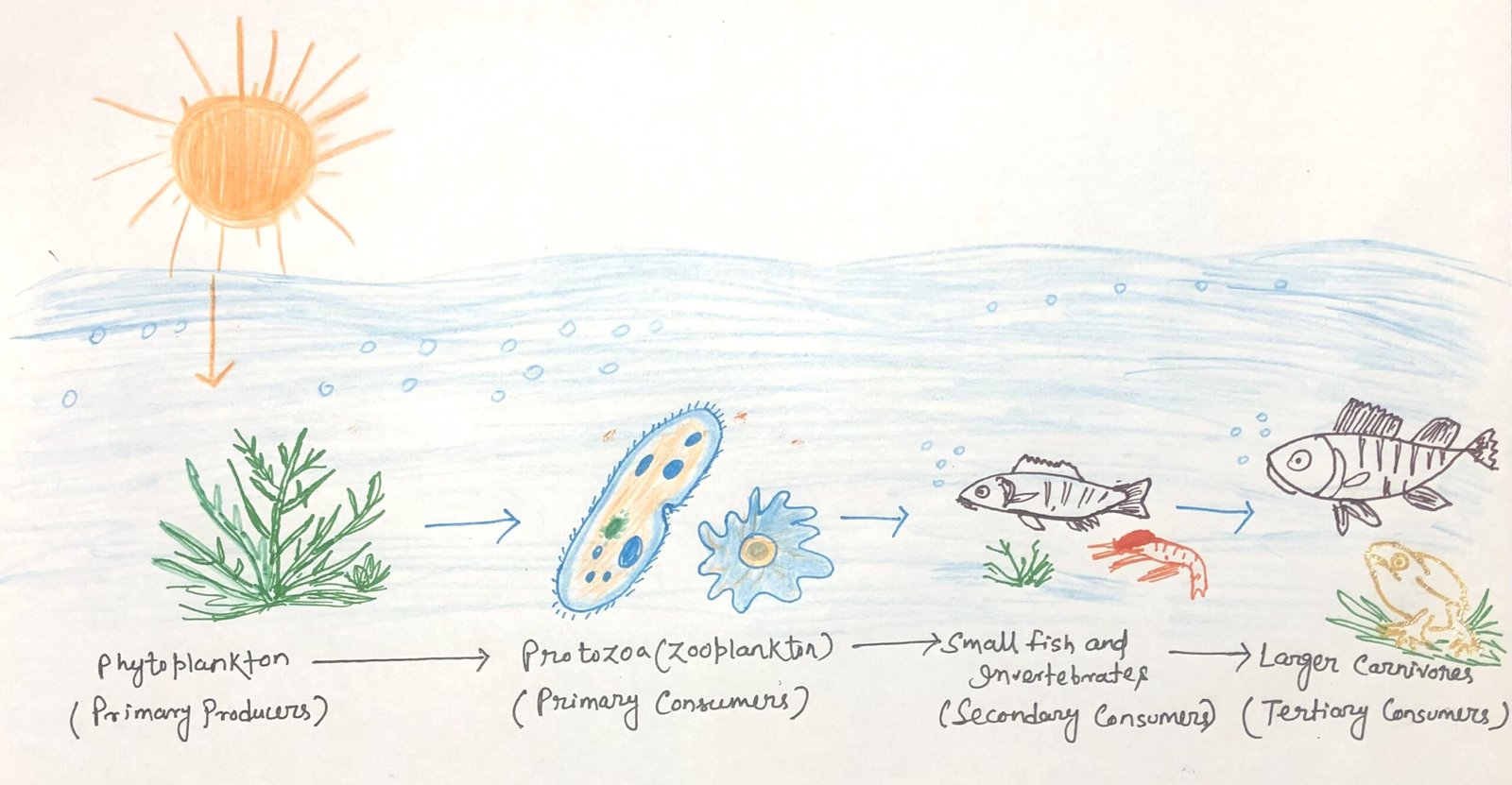
In this article, I briefly describe the importance of aquatic microbial ecosystems. Microbial Interactions in Aquatic Ecosystems Aquatic ecosystems are home to intricate networks of interactions involving microorganisms and their relationships with larger plant and animal life. Microbes such as algae and protozoa play a crucial role at the base of the aquatic food web. … Read more >>

The Role of Temperature in Food Preservation

The role of temperature in food preservation

In this article, I briefly describe how temperature plays a role in preserving food. Food Preservation Food preservation involves using various techniques to keep food safe, fresh, and suitable for consumption over an extended period. Since early human history, people have used methods like drying, fermenting, and salting to prevent food from spoiling. In modern … Read more >>

Microorganisms Develop Drug Resistance

In this article, I briefly describe how microorganisms develop drug resistance to a variety of drugs. Drug Resistance Drug resistance develops when disease-causing microorganisms, such as bacteria, viruses, fungi, or parasites, develop the ability to survive exposure to drugs that were once effective in killing them or stopping their growth. This phenomenon undermines the effectiveness … Read more >>

Antibiotics Inhibit Nucleic Acid and Protein Synthesis in Bacteria

Streptomycin

In this article, I briefly describe how antibiotics inhibit nucleic acid and protein synthesis. Antibiotics The term “antibiotic” describes a metabolic compound produced by microorganisms that can inhibit or destroy other microbes, even in minimal amounts. Vuillemin first introduced the idea of antibiosis in 1898, referring to a phenomenon where one organism eliminates others to … Read more >>

Antibiotics Inhibit Cell Wall Synthesis of Microorganisms

A comparison of the nucleus of cephalosporin and penicillin

In this article, I briefly describe how different antibiotics inhibit the cell wall synthesis of microorganisms. Antibiotics Antibiotic refers to metabolic substances produced by a microorganism that, even in small quantities, can inhibit or harm other microbes. Vuillemin, in 1898, introduced the concept of antibiosis, where one organism eliminates others to survive. However, this early … Read more >>